



MasterCraft Series - First Nations Data Sovereignty
First Nations data sovereignty is increasingly recognised as a critical consideration across government, yet it is often understood as a policy concept rather than a practical responsibility. For many public servants, data collection, reporting and measurement are part of everyday work—but the lived impact of these systems on First Nations organisations is not always visible.
Drawing on direct experience working alongside Aboriginal organisations, as well as insights from the Buledya report on First Nations data sovereignty, this session* will explore how funding, reporting and data requirements are experienced in practice. This includes challenges such as organisations losing funding despite delivering impact, reporting processes that do not align with how work is actually done, and measurement frameworks that fail to capture meaningful outcomes.
This session* introduces First Nations data sovereignty as a baseline capability for APS staff. It will explore why moving beyond a compliance mindset is essential, and how data practices intersect with real-world delivery. Participants will leave with a clearer understanding of how to approach data, reporting and engagement in a way that is more informed, responsible and aligned with First Nations perspectives, including recognising that data is connected to communities, relationships and cultural authority.
*Please note this event will be recorded. You can view this video and other MasterCraft Series events here.
Presenter
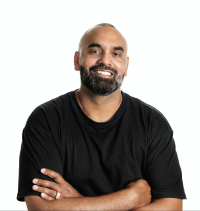
John Saulo
John Saulo is a Director and Co-Founder of Ngakkan Nyaagu (NGNY) and Buledya, First Nations-led initiatives working at the intersection of strategy, design, technology and data. Since establishing NGNY in May 2014, John has spent over a decade supporting organisations across government, corporate and community sectors, bringing a practitioner-led perspective to complex challenges involving systems, data and engagement.
John’s work is grounded in his cultural identity. On his mother’s side, he is Wergaia, Wemba Wemba and Gunditjmara, with deep connections to north-west Victoria. On his father’s side, he is from the people of New Ireland Province in Papua New Guinea. These connections inform his approach to working with communities, data and knowledge systems. Through NGNY and Buledya, John works to centre First Nations perspectives in digital and data environments, translating complex concepts into accessible, practical understanding. His work focuses on helping organisations move beyond compliance-driven approaches toward more responsible, informed and culturally grounded practices.
He is a co-author of the Buledya report on Indigenous leadership, knowledge systems and the future of data governance in Australia, informed by discussions with Elders, community leaders, technologists and policymakers through the Buledya Dinner Series.
Facilitator
Anthony Dusan, APSC
Participant benefits
Build a practical understanding of First Nations data sovereignty as a baseline capability, including how data is connected to community, custodianship and cultural authority.
Understand how current funding, reporting and measurement frameworks are experienced by Aboriginal organisations, and where they can misalign with real-world impact.
Gain insights to support more responsible approaches to data and engagement, including relational consent, community-led governance and moving beyond compliance-driven practices.
Suitable for
All Staff
Category and User level
This learning experience aligns with the Working in Government Craft at the Foundation level.
Price
Free of charge.