



MasterCraft Series - Moving From Nudges to Evidence-based System Change

This event* will show how policymakers can use a combination of behavioural science and evidence-based policy to solve the next set of challenges that Australia will face.
In the 15 years since the creation of the Behavioural Insights Team in the UK government, behavioural science has been a mainstream tool for policymakers across the globe. Initial interest in ‘nudges’ created a space for: 1) a more realistic model of human behaviour to be used in policymaking and 2) a deeper appreciation of robust evidence in public administration.
How governments are using these tools is also evolving. Behavioural science is being used to solve the next set of challenges that governments around the world are facing. Behavioural science teams are now tackling the critical frontiers of productivity, climate change, social cohesion, and the dawn of AI. Similarly, policymakers are now using more advanced methods to understand how we can evaluate policies rigorously whilst acknowledging the wider complexities of the systems they are situated in.
In this talk, Professor David Halpern will explore the latest behavioural insights, the human role in AI, and how a ‘practical theory of government’ blends evidence and experience to improve the lives of Australians.
*Please note this event will not be recorded. You can view other MasterCraft Series events here.
Presenter
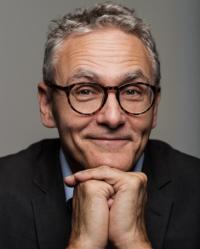
Professor David Halpern, CBE
David Halpern CBE is President Emeritus of the Behavioural Insights Team having previously been the team’s CEO when it launched in 2010 until 2023. He has recently been appointed the Director of the Downing Battcock Institute, a new initiative based at Downing College, Cambridge, to strengthen the bridges between academia and policymakers. David is also Visiting Professor at King’s College (London), El Erian Institute (Cambridge), and Imperial College (London).
Prior to BIT, David was the first Research Director of the Institute for Government and between 2001 and 2007 was the Chief Analyst at the Prime Minister’s Strategy Unit. He was also appointed as the What Works National Advisor in July 2013, a position David held until 2022 through which he led efforts to improve the use of evidence across the UK government. David was awarded a CBE in the New Year’s Honours in January 2022 for Public Service in his role as What Works National Adviser.
Facilitator
Anthony Dusan, APS Academy
Participant benefits
Overview of the latest developments in behavioural science and in the ‘whats works’ movement
Learn from practical examples of how behavioural science has been used to address emerging policy issues
Be provided thoughts on how to bridge the gap between researchers and policymakers by breaking down the institutional barriers between academia and government
Suitable for
All Staff
Category and User level
This learning experience aligns with the Working in Government Craft at the Foundation level.
Price
Free of charge.