

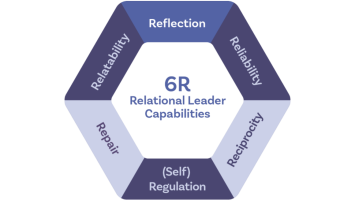
Join 6R Relational Leadership Skills Labs - in-person APS workshops to build trust, psychological safety and lead resilient teams with confidence.
Human Resources (HR)
Contents
Latest news
Published
Learn why evidence-based decision-making processes are important and find out about best practice in implementation.
Published
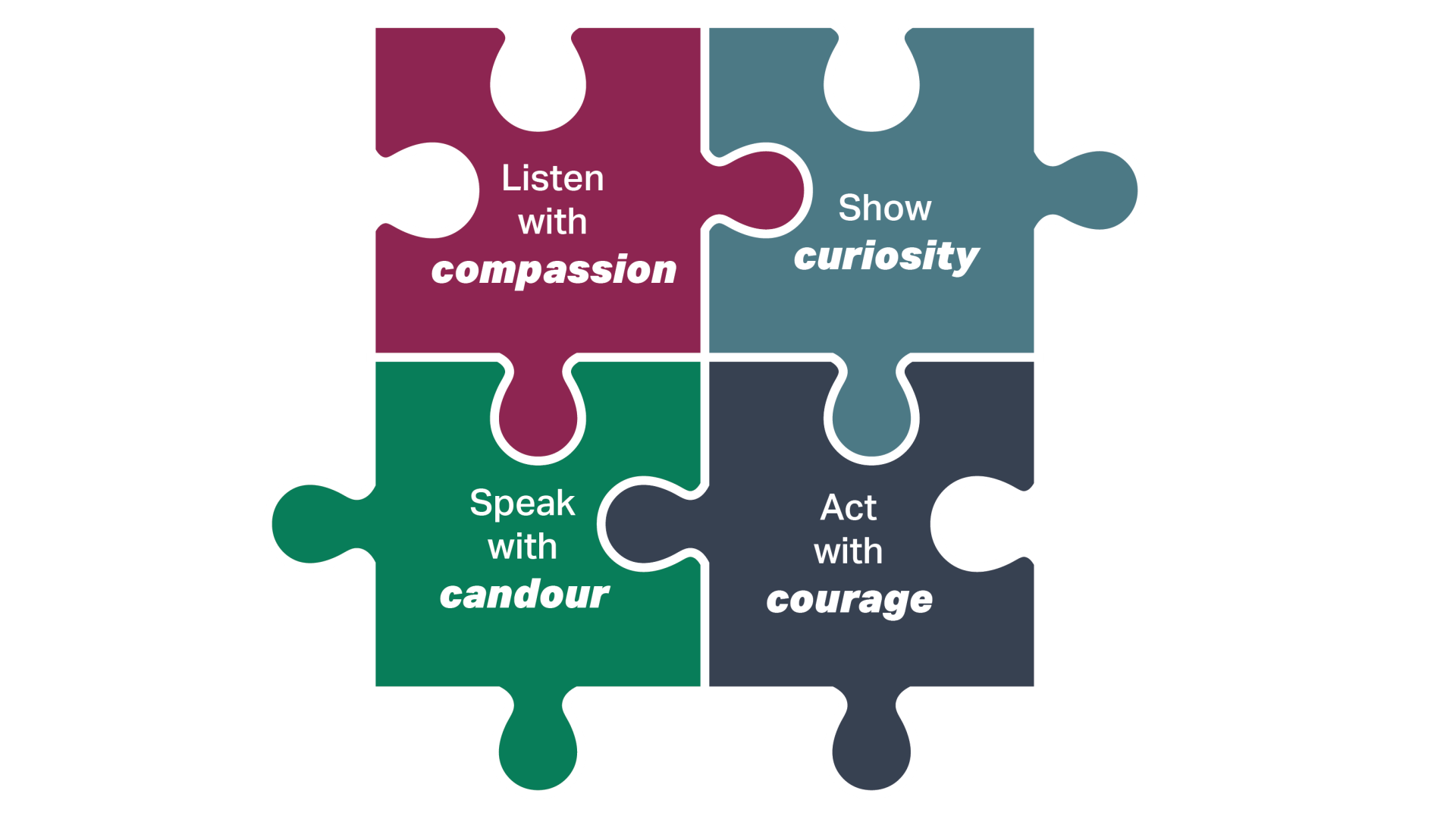
Learn why Speak Up Culture is important and find out about the toolkit available from APS Academy.
Courses
This module provides information on regulatory frameworks for APS HR professionals by providing access to the frameworks (via links and webpage references) and explaining how they can be applied to relevant situations.
Strategic liaisons between HR functions and business areas are fundamental to delivering quality HR outcomes in the APS.
HR data is used in almost every aspect of recruitment, retention, development, innovation and monitoring of workforce productivity.
This learning experience covers APS best practices for merit-based recruitment, selection, and induction, outlining legal requirements, diversity measures, and effective strategies for attracting and onboarding talent.

Australian Human Rights Commission learning helps build inclusive, respectful workplaces by increasing awareness of human rights, diversity, accessibility and prevention of discrimination and harassment.

This module teaches the capability to forecast workforce demand and supply. Forecasting is used in all types of workforce planning to inform decisions about the future.

The Workforce Planning Boost Program is a collection of modules that target the development of technical workforce planning skills. These units have been co-designed by the APS Centre of Excellence for Workforce Planning, with workforce planning experts and academics from across Australia.

This module is about identifying job roles that are crucial to achieving organisational outcomes and become a priority for workforce planning efforts. It’s a foundational concept for workforce planning.

In this module, participants will apply workforce planning to determine crucial capabilities and understand the organisational culture required to meet future business needs.

This module explores organisational design and job design in the context of workforce planning. Participants will also explore smarter and different ways of working due to external change and disruption.

This module explores practical tools and techniques to undertake program management, to effectively support workforce planning implementation including governance, monitoring evaluation and iteration.

The program, delivered across four modules, focuses on four key topics to build foundational strategic workforce planning capability across the APS.
Programs
The HR Foundational Learning Series is designed to build the knowledge of HR professionals in the APS. The content has been provided by the APS HR Professional Stream, drawing on the support and expertise of numerous APS agencies.

The Workforce Planning Boost Program is a collection of modules that target the development of technical workforce planning skills.
Resources
Legislation provides a framework for acting with integrity. This includes the Public Service Act 1999, Public Service Regulations 1999 and Australian Public Service Commissioner’s Directions 2022.
The APS HR Profession Pathways to Professionalisation provides a structured learning pathway to build HR capability, support career development, and strengthen workforce planning, people management and organisational performance across the APS.
Working in Place guides APS staff to partner with communities, tailor solutions to local needs, strengthen collaboration and shared decision-making, and deliver sustainable place-based outcomes.
APS HR Profession resources support capability development, leadership growth and career progression by providing learning pathways, practical tools and guidance to strengthen HR practice across the APS.
The APS HR Workforce Strategy, HR: The People Profession, and the Pathways to Professionalisation Framework support the growth of a skilled, connected HR profession by providing capability standards, career pathways and professional development guidance.
Agencies can use this toolkit create accessible, inclusive onboarding, supporting diversity and providing practical resources for managers, employees, and business areas.