



MasterCraft Series - Why Bureaucracy Matters - Trust, Craft & Reform

In this MasterCraft Series session, Dr Subho Banerjee draws out the ideas behind Professor David Schmidtchen’s six-part ‘Why Bureaucracy Matters’ series published in The Mandarin, starting with why public agencies must balance competing democratic values (accountability, equity, efficiency, responsiveness, transparency).
The conversation moves beyond ‘red tape’ to consider bureaucracy as a builder of trust and legitimacy, a form of public-sector craft that turns information into action, and a practical lens for evaluating reform proposals before we ‘take down fences’ we don’t yet understand.
*Please note this event will be recorded. You can view this video when available and other MasterCraft Series events here.
Presenter
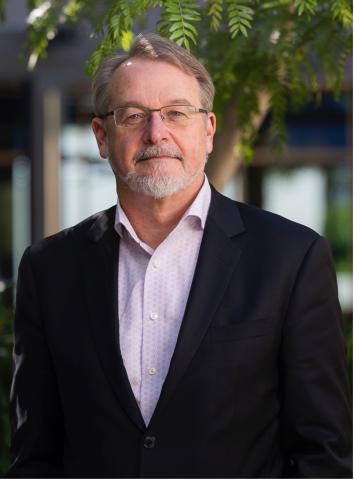
Professor David Schmidtchen
Professor David Schmidtchen is Professor of Practice in Public Sector Management at UNSW Canberra and a leading thinker on leadership, bureaucracy, and organisational change in complex systems.
He works at the intersection of philosophy, literature, and management, examining how public institutions navigate uncertainty and how leaders cultivate judgment, responsibility, and hope in disruption.
David brings together an academic perspective with practical experience. He spent 17 years in the Australian Army as a psychologist before moving into senior roles in the Australian Public Service and consulting firms. He has worked closely with Defence and APS agencies, partnering with senior executives to design and deliver large-scale workforce, leadership, organisational transformation, and operating-model reforms.
Before joining UNSW Canberra, David was a Partner at Synergy Group, where he founded and led the creativeXpeople practice, growing it from a small team into a well-regarded capability focused on people-centred solutions at the intersection of work, technology, and organisation. He has also served as an Executive Director at EY, where he rebuilt the People Advisory Services practice in Canberra and led data analytics for People Advisory Services across the Asia-Pacific
Earlier in his career, David led innovation and consulting practices at Jacobs Australia and was Group Manager of Human Capital Research and Evaluation at the Australian Public Service Commission, where he oversaw workforce planning and analytics and delivered five State of the Service reports to Parliament.
David writes and speaks widely on leadership, organisational change, and the evolving nature of work. He publishes regularly in The Mandarin and is the author of three books. He translates ideas about large enterprise philosophy and operations into clear, practical insights for leaders operating in uncertain environments.
Facilitator
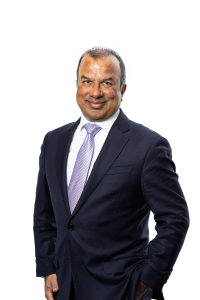
Dr Subho Banerjee, APSC
Participant benefits
A clear, usable framework for explaining why bureaucracy can feel slow or rigid at times—and how those frictions often stem from unavoidable value trade-offs in democratic administration.
Practical language for strengthening trust and legitimacy, grounded in fairness as experienced by citizens (not just asserted in policy) and in bureaucracy’s role as a ‘sensemaking’ institution.
Suitable for
All Staff
Category and User level
This learning experience aligns with the Working in Government Craft at the Foundation level.
Price
Free of charge