





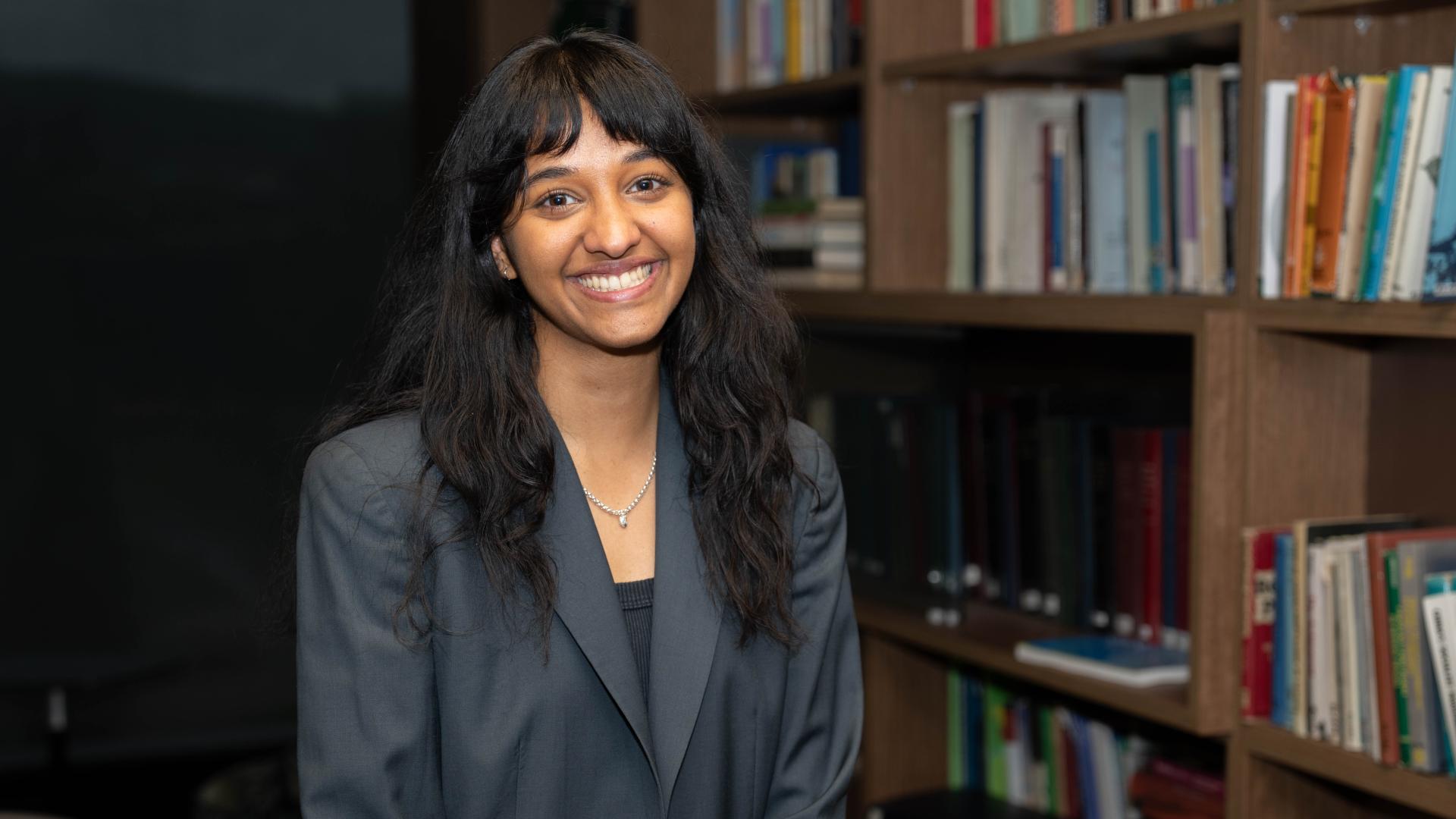
By Sonali Varma
I never expected to begin my career in the Australian Public Service (APS).
Growing up in Canberra, the public service was always in the background, but I didn’t really understand the breadth of work it encompassed or how deeply it shaped Australian life. With an early interest in research and mental health, I assumed I would need to leave the ACT to find work that aligned with those passions.
That changed during my studies at the Australian National University, where I completed my Honours degree in Population Health. During my Honours year, I discovered how data could be a powerful tool to tell nuanced stories about mental health and wellbeing – stories about help-seeking, access to care, and outcomes that often remain invisible without rigorous analysis. I became fascinated by how data could illuminate complex population-level issues while also guiding solutions that support the public good through evidence.
As I explored where I might take this interest, I realised just how much the APS had to offer. In particular, the Australian Institute of Health and Welfare (AIHW) stood out. AIHW’s mission of using health data to inform evidence-based decisions resonated with my developing skills and aspirations, especially my interest in integrating data and lived-experience insights.
From the moment I learned about AIHW’s Graduate Program, I had the sense that this was exactly the environment I had been looking for: a place where I could build analytical capability in the APS while contributing to impactful national work. I was drawn to the multidisciplinary teams, where diversity strengthens collaboration, and to the opportunity to learn from dedicated, public-spirited professionals.
In 2025, I excitedly commenced as a grad in AIHW’s Disability Unit. It has been an extraordinary introduction to real-world analytical work. I have contributed to large-scale survey analyses, inclusive research initiatives, and projects involving linked data – experiences that have expanded my technical skills and strengthened my understanding of how data can be used responsibly and creatively for public good.
Beyond analytics, I have learned the practical foundations of public-sector work: stakeholder engagement, data governance, communication, and the importance of integrity and accuracy in all stages of the analytical process. I have been fortunate to be surrounded by supportive colleagues and fellow graduates, and I’ve taken every opportunity to absorb knowledge from the diverse expertise around me. These experiences taught me the real value of respectful, community-centred research and reinforced the importance of collaboration in public service.
Alongside this professional growth, I also knew I wanted to pursue postgraduate study. My long-term interest lies in psychiatric epidemiology – the study of mental disorders in populations, including their causes, prevalence and distribution. My experience working with inclusive research teams at AIHW reinforced how data on its own can reveal patterns, but it cannot fully explain them. The perspectives of people with lived experience are vital to meaningfully interpreting those patterns and shaping research that reflects real-world needs.
I became increasingly motivated to bring these two worlds together – quantitative methods and participatory approaches. That aspiration ultimately led me to apply for a Rhodes Scholarship.
Each year, 9 young Australians are awarded a Rhodes scholarship to pursue postgraduate study at the University of Oxford. I knew the odds were slim, but I also felt that the combination of data-driven mental health research and a commitment to collaborative, community-centred approaches was a cause worth investing in.
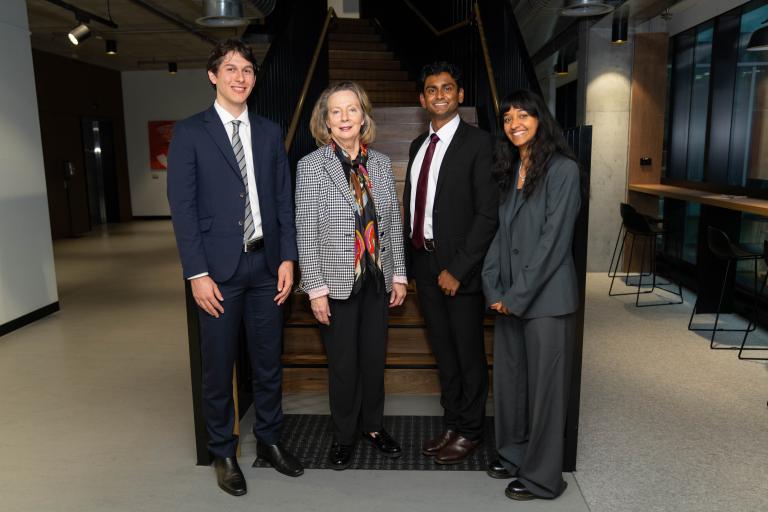
To my disbelief, after several rounds of rigorous interviews, I was named an Australia-at-Large Rhodes Scholar in October 2025.
I will begin the next chapter of my academic and professional journey at Oxford. While I cannot predict exactly where it will lead, I know that my time in the APS has been formative. It has equipped me with the analytical grounding, practice experience and collaborative mindset that will continue to guide my work in mental health.