





Reset mindset
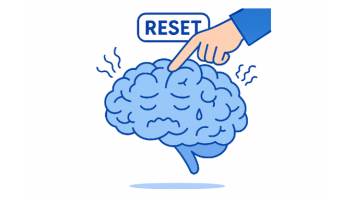
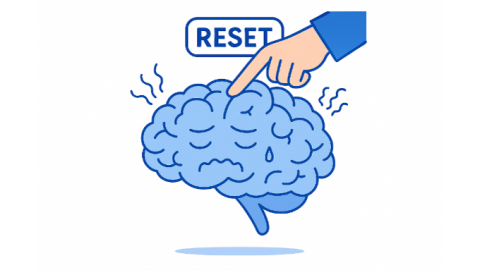
A reset mindset is a conscious approach to stepping back, recalibrating, and re-engaging with clarity and intention.
Key Features
- Self-awareness and reflection
- Willingness to pause and reassess
- Letting go of unhelpful patterns
- Refocusing on priorities and goals
Why reset is important for learning
Without reset, people often:
- stay stuck in unproductive habits
- repeat mistakes without reflection
- experience cognitive overload and fatigue.
With a reset mindset:
- learning becomes intentional, not accidental
- mistakes are processed and turned into insights
- mental clarity improves decision-making and retention.
Benefits
- Encourages openness to change: A reset mindset helps individuals let go of past mistakes and approach learning with a fresh, positive perspective.
- Supports continuous improvement: It promotes reflection and adaptation, helping people improve skills and knowledge over time.
- Reduces fear of failure: Learners become more willing to take risks and try new approaches without being held back by previous setbacks.
- Strengthens resilience: Embracing a reset mindset helps individuals recover quickly from challenges and stay engaged in learning.
The reset-learn cycle
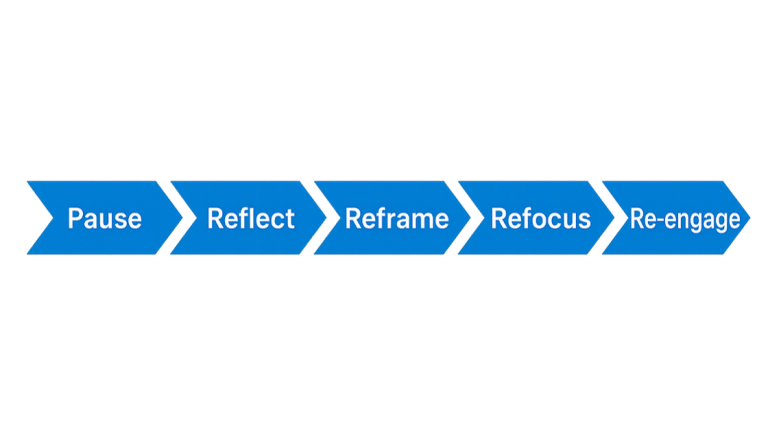
A reset mindset strengthens learning through a simple cycle.
- Pause – Step back from action
- Reflect – Consider what is and isn’t working
- Reframe – Shift perspective or assumptions
- Refocus – Set clear next steps
- Re-engage – Apply learning with intention
Impact on individual learning
A reset mindset enhances:
- self-awareness and critical thinking
- the ability to adapt and improve performance
- the ability to retain and apply knowledge.
reset mindset builds:
- a growth mindset
- confidence to try new approaches
- ownership of development.
Impact on teams and agencies
A reset mindset contributes to a stronger learning culture by:
- encouraging open reflection and feedback
- reducing repeated mistakes
- supporting continuous improvement
- helping teams adapt during change.
Barriers to reset
Common challenges include:
- constant busyness and lack of time
- pressure to deliver without pausing
- fear of acknowledging mistakes
- organisational cultures that prioritise speed over learning.
Practical ways to embed a reset mindset
For individuals:
- Schedule regular reflection time (daily or weekly).
- Ask: What did I learn? What will I do differently?
- Take short mental breaks between tasks to regain focus.
- Reframe setbacks as learning opportunities. Ask: What is this teaching me?
For teams:
- Run quick debriefs after key activities.
- Encourage open, blame-free discussions.
- Build reflection into workflows.
- Model reset behaviours at leadership level.
Connection to wellbeing and performance
A reset mindset, in line with the APS Integrated Leadership System, means being aware of your own behaviour and taking responsibility for how it affects others. It also means being open to feedback and different viewpoints to build stronger relationships. A reset mindset supports better delivery and results by helping individuals and teams move away from reacting automatically and instead learn thoughtfully from experiences. It also helps build resilience, adaptability and a habit of continuous improvement.
A reset mindset also helps:
- reduce stress and cognitive overload
- prevent burnout and fatigue
- improve focus and productivity
- sustain long-term performance
Summary
Learning doesn’t happen just by doing more – it is supported by pausing, reflecting and resetting.
A reset mindset turns everyday experiences into meaningful growth and continuous improvement.